
Information checked: August 27, 2026. Tokyo’s contemporary-art scene is spread across several neighborhoods, and the most useful way to plan a visit is not to race between famous buildings. Choose the exhibition you most want to see, then build a half-day around that area. This guide compares four major museums in Roppongi, Kiyosumi-Shirakawa and Kyobashi, with practical advice on tickets, closing days, photography and museum fatigue.
Which Tokyo art museum suits your trip?
- Mori Art Museum: best for major international contemporary-art exhibitions, city views and later opening hours.
- Museum of Contemporary Art Tokyo (MOT): best for postwar and contemporary Japanese art, substantial collection exhibitions and a spacious museum visit.
- The National Art Center, Tokyo (NACT): best when a specific temporary exhibition interests you. It has no permanent collection.
- Artizon Museum: best for combining modern and contemporary art in central Tokyo, with a timed-entry system that rewards advance planning.
Roppongi: two contrasting museums in one half-day
Roppongi is the easiest choice for visitors who want to combine two institutions without a long train transfer. Mori Art Museum occupies the upper floors of Roppongi Hills Mori Tower, while The National Art Center, Tokyo is in the same broader district. The walk between them is manageable, but allow extra time for the large complex, station exits and queues.
Mori Art Museum
Mori is especially useful for travelers because it usually stays open later than many Tokyo museums. For the current Ron Mueck exhibition, running from April 29 to September 23, 2026, the museum publishes special opening-hour and admission details on its official website. Regular guidance lists 10:00–22:00 on most days and a shorter Tuesday schedule, but holiday and summer hours can change. Check the exhibition page on the day you book.
The museum is exhibition-led rather than a place to expect the same permanent display on every visit. Reserve a timed ticket when the official booking page offers one, particularly on weekends, public holidays and during the final weeks of a popular show. Last admission is earlier than closing time.
The National Art Center, Tokyo
NACT’s undulating glass building is memorable, but its program is the real reason to visit. It does not maintain a permanent collection; galleries are used for changing exhibitions. Before traveling across Tokyo, confirm that a show matching your interests is open and check whether each exhibition requires a separate ticket.
A sensible Roppongi plan is one major exhibition at Mori or NACT, lunch or coffee, and then a second exhibition only if your energy allows. Two large shows can easily fill four to six hours.
Kiyosumi-Shirakawa: make MOT the anchor
The Museum of Contemporary Art Tokyo is the neighborhood’s main cultural destination. It is a strong choice for visitors who want context on Japanese art after 1945 rather than only a headline temporary show. Its collection exhibitions and special exhibitions may use separate tickets, so decide what you want to see before purchasing.
The museum generally opens from 10:00 to 18:00, with admission ending 30 minutes before closing. It closes on Mondays in many weeks and also has exhibition-change and year-end closures. Monday public-holiday arrangements can differ, so the official calendar—not a map listing or an old blog—should be your final check.
Allow at least two hours for one exhibition and more if you plan to see both the collection and a special show. Kiyosumi-Shirakawa is also known for cafés and quiet streets, making it a good low-pressure half-day rather than a rushed stop between distant attractions.
Kyobashi: Artizon Museum near Tokyo Station
Artizon Museum is convenient for travelers staying around Tokyo Station, Ginza or Nihombashi. Its program connects modern Japanese and Western art with contemporary work, and the building is compact enough for a focused visit.
Admission is organized around dated, timed entry. Availability, prices and whether same-day tickets are offered depend on the exhibition, so use the official calendar and ticket page. Do not assume that a museum is open simply because the building appears open on a map service; installation periods between exhibitions can close gallery floors.
Four checks before you leave your hotel
- Confirm the exhibition, not only the museum. Temporary exhibitions have independent dates, prices and last-entry times.
- Check the official calendar. Monday closures, public-holiday substitutions and installation periods are common.
- Reserve if a time slot is offered. This matters most for weekends, holidays and the final days of a popular exhibition.
- Budget by exhibition. A museum may have separate admission for collection and special exhibitions. Current prices belong on the official ticket page because they change.
Photography, large installations and visitor comfort
Photography rules are set by each exhibition and sometimes by individual artwork. Look for symbols at the gallery entrance and beside the work. A camera icon may allow still photography while prohibiting flash, tripods, selfie sticks, video or commercial use. When uncertain, ask a gallery attendant before taking a picture.
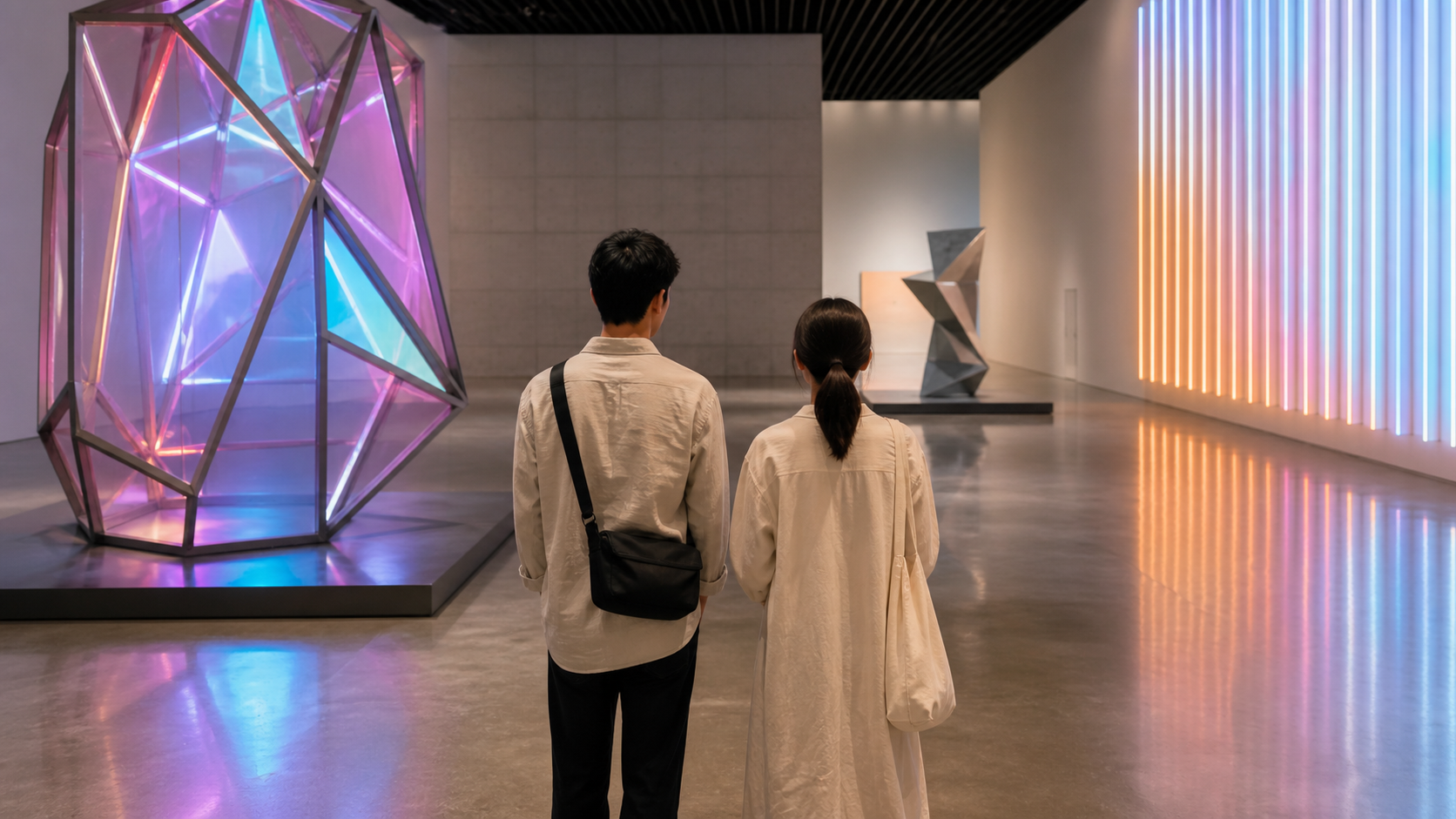
Contemporary installations can involve darkness, flashing light, loud sound, mirrors, narrow passages or uneven flooring. Read warnings before entering. Visitors sensitive to light or sound should ask staff about alternate routes. Large bags may need to go in a locker, and backpacks should be carried carefully in crowded galleries.
Accessibility information, wheelchair routes, elevators, seating and assistance vary by building and exhibition layout. Contact the museum in advance if a specific accommodation is essential. Comfortable shoes and a real break between exhibitions will improve the visit more than adding a third museum.
Sample half-day plans
International contemporary art and architecture
Book a late-morning exhibition at Mori Art Museum, have lunch in Roppongi, then visit NACT only if its current program appeals to you. This route minimizes transfers and can extend into the evening.
Japanese postwar and contemporary art
Start at MOT near opening time, choose either the collection or special exhibition as your priority, and spend the rest of the afternoon in Kiyosumi-Shirakawa. This is the best option for depth rather than museum-hopping.
Art near Tokyo Station
Reserve Artizon Museum for a defined time slot, then combine it with Kyobashi, Nihombashi or Ginza. It fits well on an arrival or departure day if luggage is stored elsewhere.
Frequently asked questions
Can I visit three major museums in one day?
It is physically possible, but rarely satisfying. Two institutions in Roppongi are a reasonable maximum; MOT or Artizon works better as the anchor for its own half-day.
Does The National Art Center, Tokyo have a permanent collection?
No. Its galleries host changing exhibitions, so check the program before visiting.
Can I decide on a rainy morning and buy a ticket at the door?
Sometimes, but do not rely on it. Timed slots can sell out, and a museum may be closed for an exhibition change. Check the official site before traveling.
Are photographs always allowed in contemporary-art exhibitions?
No. Permission varies by exhibition and artwork. Follow the signs in the gallery and ask staff when the rule is unclear.
Summary
For a rewarding Tokyo art day, choose one neighborhood and one priority exhibition. Roppongi offers the easiest two-museum combination, MOT provides depth in Japanese contemporary art, and Artizon is the most convenient central option. Verify exhibition dates, timed tickets, closing days and photography rules on official websites immediately before your visit.