
The National Art Center, Tokyo is different from a conventional museum: it has no permanent collection. Its galleries host changing exhibitions, so the experience—and the ticket you need—depends entirely on the date. Plan around the official exhibition calendar, then leave time to enjoy Kisho Kurokawa’s sweeping glass architecture.
Start with the exhibition calendar
Check the official National Art Center website before traveling. Separate exhibitions can have different organizers, tickets, opening dates, closed days and last-entry times. “The building is open” does not guarantee that your preferred exhibition is running.
- Choose one priority exhibition and note its exact gallery.
- Check whether advance or timed tickets are offered.
- Confirm the final admission time, not only the closing time.
- Read the photography rules for that exhibition; they are not universal.
What to notice in the architecture
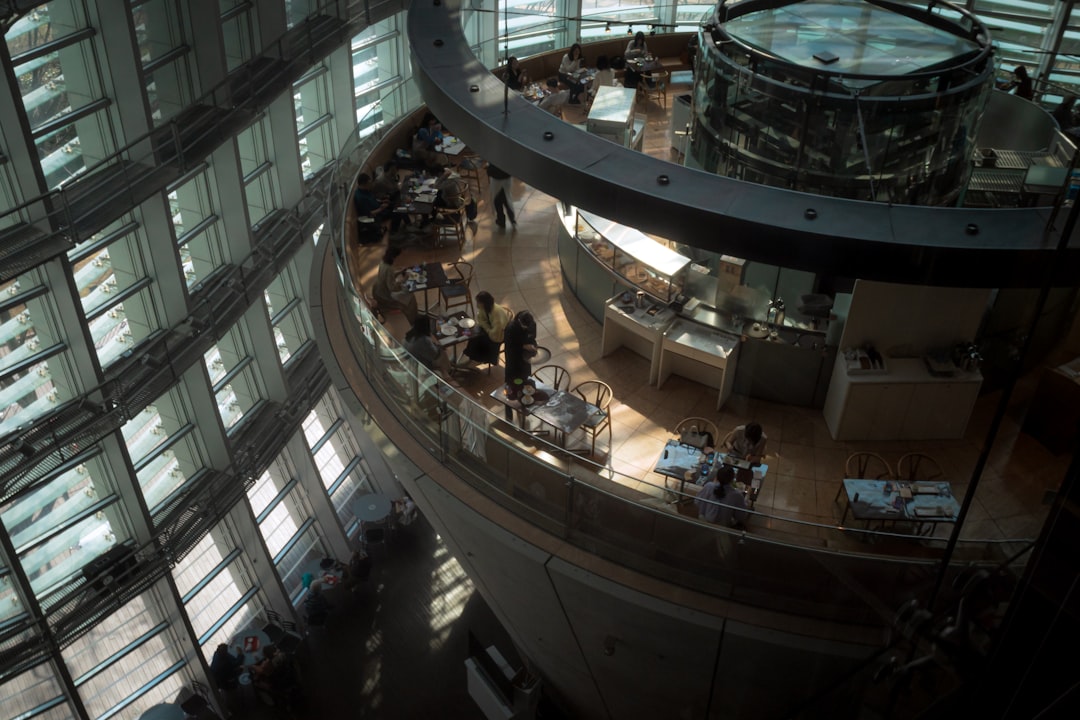
The undulating glass façade creates a bright public atrium, while cone-shaped structures hold elevated café spaces. Look at how daylight, the curved curtain wall and the interior circulation change as you move between floors. The building is worth visiting, but galleries should remain the main reason to plan a trip.
How much time should you allow?
Allow roughly 90 minutes for one substantial exhibition, then add time for queues, the atrium, the museum shop or a café. Two major exhibitions can easily fill half a day. If you have a timed reservation elsewhere in Roppongi, avoid booking it immediately after your museum slot.
Getting there and choosing an entrance
The center is in Roppongi, with access from nearby subway stations. Use the official access page to choose the most convenient route for your line and mobility needs. Underground or near-direct access can be especially useful in rain or summer heat. Station exits and construction can change, so check on the day.
Practical visitor tips
- Bags: use available lockers or follow staff instructions for large items.
- Photography: look for signs at each gallery entrance; some shows prohibit it entirely, while others allow only designated works.
- Food and drink: keep them out of galleries and use designated areas.
- Accessibility: consult the official barrier-free information before visiting if you need step-free routes, wheelchairs or other assistance.
- Children: check whether the current exhibition offers family guidance or restrictions.
A realistic Roppongi art route
The National Art Center, Mori Art Museum and Suntory Museum of Art form the Roppongi Art Triangle, but trying to see every gallery in depth in one day is tiring. A better route pairs one major exhibition here with one nearby museum, plus a meal or architecture walk. Check each venue’s closed day independently.
Common planning mistakes
- Arriving without checking which exhibitions are actually on.
- Assuming one ticket covers every exhibition in the building.
- Relying on old opening hours or ticket prices from a blog.
- Scheduling too little time for queues and multiple floors.
- Assuming photography is permitted because it was allowed in another gallery.
FAQ
Is there a permanent collection?
No. The center is an exhibition venue without its own permanent collection, which is why checking the current program is essential.
Can I visit only for the architecture?
Public areas may be accessible when the center is open, but hours and access conditions can change. Confirm the official schedule and consider supporting an exhibition that interests you.
Do I need to book?
It depends on the exhibition. Some sell standard admission, while popular or specially organized shows may offer timed or advance tickets. Follow the page for the exact exhibition.
Information checked: October 31, 2026. Exhibition dates, tickets, opening hours and access conditions can change; verify them on the official website before visiting.