

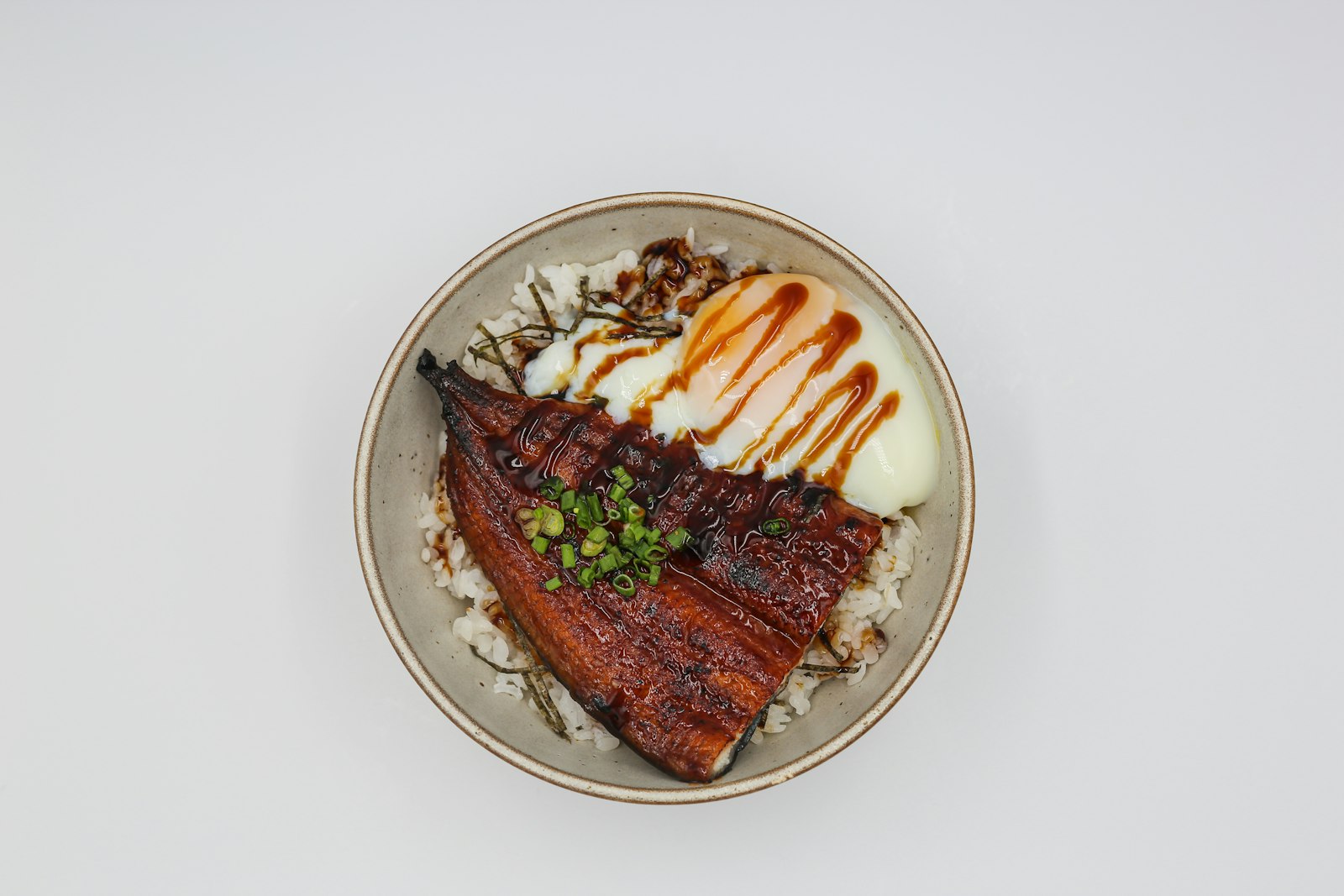
Japanese eel meals are not all the same. You may see unaju in a rectangular box, unadon in a rice bowl, or Nagoya-style hitsumabushi served with condiments and broth. This practical guide explains the differences, Kanto and Kansai preparation styles, how to order, and what to check for allergies.
Unaju, unadon, hitsumabushi and kabayaki
| Dish | How it is served | What to expect |
|---|---|---|
| Unaju | Rectangular lacquer-style box | Grilled eel over rice, often presented as the more formal option |
| Unadon | Rice bowl | The same basic pairing in a bowl; portion and price depend on the restaurant |
| Hitsumabushi | Wooden tub or bowl | Chopped grilled eel and rice enjoyed plain, with condiments, then with broth |
| Kabayaki | À la carte plate | Eel grilled with a sweet-savory soy-based tare, without rice if ordered separately |
Labels such as matsu, take and ume are not standardized nationwide. They often indicate the amount or number of eel pieces rather than a different quality grade. If the menu is unclear, ask Unagi no ryō wa dore kurai desu ka? (“How much eel is included?”).
Kanto and Kansai preparation styles
Japan’s Ministry of Agriculture, Forestry and Fisheries describes a representative Kanto method in which the eel is opened from the back, grilled, steamed, coated with sauce and grilled again. In Kansai, eel is commonly opened from the belly and grilled without steaming, a method often called jiyaki. Kanto-style eel tends to be softer, while Kansai-style eel more clearly shows a crisp, roasted surface. Individual restaurants may use their own methods, so treat this as a useful regional pattern rather than an absolute rule.
How to eat hitsumabushi
- Lightly mix the chopped eel and rice, then taste the first portion plain.
- Add condiments such as green onion, nori and wasabi to the next portion.
- For another portion, add the broth or tea supplied by the restaurant.
- Finish with whichever style you liked best.
This sequence is a feature of hitsumabushi. It should not be presented as the standard way to eat every unaju or unadon. Follow the restaurant’s instruction card when one is provided.
Doyo no Ushi and summer eel
Japan has a custom of eating eel on the midsummer Doyo no Ushi no Hi, or Day of the Ox. MAFF introduces it as part of Japan’s seasonal food culture. Popular restaurants may be especially busy or offer a limited menu around the date, so check the restaurant’s current reservation rules and hours rather than relying on an old review.
What to check before ordering
- Portion: Check the number of eel pieces, the menu photo or the restaurant’s explanation instead of relying only on matsu/take/ume labels.
- Preparation time: Eel grilled after ordering may take time. Leave a buffer before a train or flight.
- Set contents: Liver soup, pickles and side dishes may be included or sold separately.
- Allergens: Kabayaki tare usually contains soy sauce, so wheat and soy can be relevant. Hitsumabushi broth may contain fish ingredients. Travelers with serious allergies should confirm ingredients and cross-contact risks before ordering.
How to choose a restaurant
Do not rely only on age claims or online rankings. Check the restaurant’s official menu, reservation method, last-order time and language support. To compare regional styles, look for terms such as “steamed” for Kanto-style preparation or jiyaki for Kansai-style grilling. For a simpler meal, unadon or takeaway may be more practical than a full course.
Frequently asked questions
Can unagi contain small bones?
Small bones can remain even after preparation and grilling. Children, older adults and anyone with swallowing difficulties should take small bites and eat slowly.
How should takeaway eel rice be reheated?
Follow the storage and reheating instructions provided by the restaurant. Do not microwave a container unless it is marked as microwave-safe, and do not leave the meal at room temperature for an extended period.
For another practical guide to a warm Japanese meal, see our Japanese nabe guide.
Official sources and fact-check date
Checked on September 29, 2026 using MAFF’s official resources on unagi kabayaki and regional preparation, eel food culture and seasonal foods. Prices, menus and opening hours can change; verify them with the restaurant before visiting.