
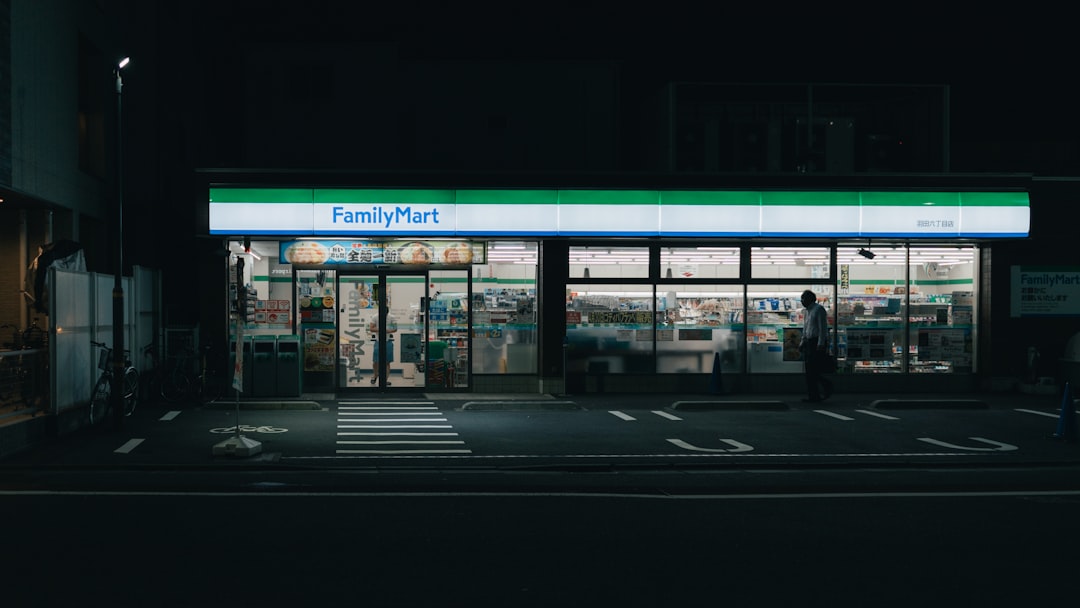
Japanese convenience stores—usually called konbini—can solve several small travel problems in one stop: breakfast before an early train, cash from an international-card ATM, a drink after shops close, or a quick copy of a document. The useful part is not that every branch offers everything, but knowing what to look for and what to verify.
Quick answer: use konbini for simple meals, drinks, basic toiletries, ATMs and small travel errands. Check the storefront or in-store signs because opening hours, payment methods, toilets, bins, ticket services and product selection vary by branch.
What travelers can reliably expect
- Ready-to-eat food, snacks, bottled drinks and basic daily necessities
- Refrigerated and hot-food sections, although stock changes throughout the day
- ATMs at many branches; supported cards, limits and fees depend on the ATM and card issuer
- Payment by cash and often major cards or Japanese IC/e-money, with exceptions
- Extra services such as printing, parcel handling or bill payment at some chains and branches
Many convenience stores operate around the clock, including on public holidays, but this is not universal. JNTO’s business-hours guidance specifically says many—not all—major-chain convenience stores operate 24 hours. Treat the hours shown at the branch as authoritative.
How to build a practical konbini meal
A balanced quick meal is easier if you combine categories instead of buying only one large snack:
- Base: onigiri, a sandwich, noodles or a small bento.
- Protein: a boiled egg, grilled chicken, tofu, yogurt or a bean-based side dish.
- Vegetable or fruit: salad, vegetable soup, cut fruit or a small side dish.
- Drink: water or unsweetened tea for everyday hydration.
Popular items sell out, particularly near offices at lunch and around stations in the evening. A mostly empty shelf usually means stock timing, not that the product category is unavailable nationwide.
Heating food and using hot water
If a product can be microwaved, staff may ask atatamemasu ka? (“Would you like it heated?”). You can answer hai, onegaishimasu for yes or sono mama de daijōbu desu for no. Some branches have customer microwaves; others heat purchases behind the counter.
Hot-water dispensers are often intended for instant noodles or soup bought in the store. Do not assume seating, hot water or utensils are available. Check before opening the package, and carry hot containers carefully.
Understanding labels and allergens
Packaged food normally shows ingredients, allergens, storage instructions and a use-by or best-before indication in Japanese. Recipes can differ even when products look similar. Travelers with allergies should not rely on color, shelf position or a previous purchase.
- 消費期限 (shōhi kigen): use-by date for more perishable food.
- 賞味期限 (shōmi kigen): best-before date for quality.
- 要冷蔵 (yō reizō): keep refrigerated.
- アレルギー: allergy information.
When a label is unclear, ask staff or choose a product with information you can verify. A translation app can help with reading, but it is not a substitute for medical advice or confirmed allergen information.
ATMs and overseas-issued cards
ATM acceptance is not identical across all convenience stores. Seven Bank’s official overseas-card page lists supported networks, service times and per-transaction limits, while warning that a card can still fail even when it bears a listed mark. Fees vary by card brand and issuer.
Japan Post Bank also provides an international ATM service, including compact ATMs installed at some FamilyMart stores. Its official page states that location hours, card compatibility and issuer fees can differ. Keep a second payment method and avoid waiting until your cash balance reaches zero.
Cards, IC cards and cash
Many urban branches accept international credit cards and Japanese transport IC cards, but acceptance can differ by transaction and terminal. Some services handled at the counter may be cash-only. Look at the payment logos near the register and keep some yen available.
At self-checkout, choose the payment method before tapping or inserting a card. If the screen is confusing, cancel before repeating the payment and ask staff rather than risking a duplicate transaction.
Printing, parcels and other services
Multifunction copiers may offer copying, printing and scanning. Parcel drop-off, ticket collection and other counter services depend on the chain, branch and the reservation or courier system involved. Prepare files or booking codes in advance, but confirm the exact service before making a special trip.
For large luggage, use staffed storage, a hotel service or a dedicated delivery counter rather than assuming a small branch can accept it. See our Japan luggage storage and delivery guide for the decision process.
Toilets, seating and rubbish bins
Customer toilets and eat-in seating are not guaranteed. Some branches restrict toilets by time or location, and some have no public toilet. Ask politely before use. Likewise, rubbish bins may be inside, outside, restricted to store purchases or unavailable.
Do not leave household rubbish or waste from elsewhere. Separate bottles, cans and burnable waste according to the labels provided, and take your rubbish with you when no suitable bin is available.
Simple etiquette at the register
- Queue at the floor marker and have payment ready.
- Place coins or cards where indicated instead of reaching across the counter.
- Answer bag, heating and cutlery questions briefly; pointing is acceptable when language is difficult.
- Move away from the register before reorganizing a wallet or backpack.
- Avoid eating while blocking the entrance, narrow aisles or neighboring property.
A five-minute konbini checklist
- Check branch hours and whether the service you need is shown.
- Read the product label, date and storage instructions.
- Confirm whether heating or utensils are needed before paying.
- Check the ATM’s supported network, displayed fee and currency choice.
- Keep the receipt until payment and withdrawal amounts are confirmed.
Frequently asked questions
Are all Japanese convenience stores open 24 hours?
No. Many are, but branch hours vary. Check the sign or the chain’s current store information.
Can I withdraw yen with any overseas card?
No. Compatibility depends on the ATM network, card, issuer and service time. Check the official ATM screen and terms before confirming.
Can staff heat food bought elsewhere?
Do not expect this. Heating equipment and customer services are generally for eligible products purchased at that branch.
Can I use a convenience-store toilet without buying anything?
Policies vary. Look for signs and ask first; some locations do not provide public toilets.
Summary
A konbini is most useful when treated as a compact travel support point rather than a guaranteed all-purpose service center. Check branch-specific signs, keep a backup payment method, read food labels carefully and use shared facilities respectfully.
Operational details checked September 18, 2026 against JNTO, Seven Bank and Japan Post Bank official information. Branch services and financial conditions can change.