

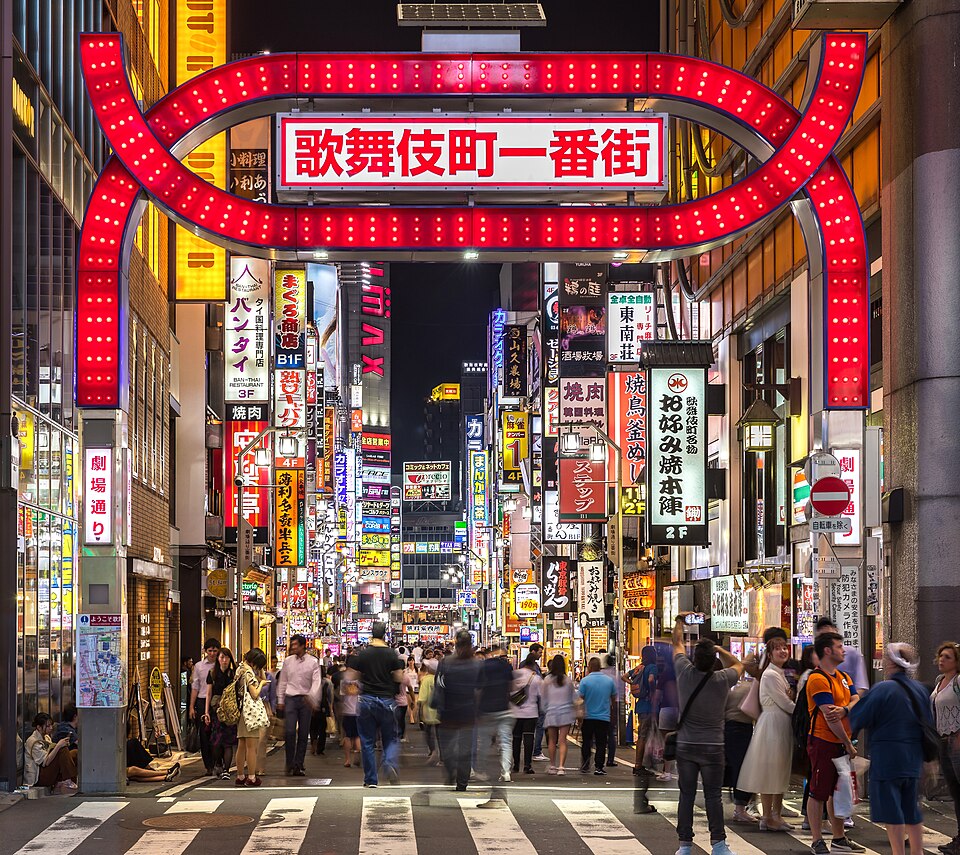
The Hokuriku region, where the culture of the Sea of Japan side remains, and the Koshinetsu region, surrounded by mountains. We will introduce you to the unique entertainment district culture that is rooted in each region. Enjoy Niigata’s geisha culture, Kanazawa’s Kaga Hyakumangoku style, and the nightlife of Nagano’s hot spring town.
📍 Niigata Furumachi
Origin/History
Furumachi, Niigata is a historical red-light district that has been going on since the Edo period. It developed along with Niigata Minato, which flourished through water transportation on the Shinano River, and the geisha culture is still alive today. It is said that there were around 400 geishas at its peak, and it was once considered one of Japan’s three major red-light districts, along with Kyoto Gion and Tokyo Shinbashi. Even now, although the number has decreased, there are still restaurants where you can experience geisha culture.
Features
An elegant entertainment district with a strong geisha culture. There are many shops where you can enjoy Niigata’s unique seafood and Niigata’s famous sake, such as the local sake “Koshino Kanbai.” The back alleys are dotted with restaurants that retain the vestiges of the Showa era. In recent years, efforts have been made to revitalize Furumachi. During New Year’s and other events, you can also experience geisha play (reservations required).
Recommended spots
Access
About 15 minutes walk from JR Niigata Station. Or take the bus and get off at the Furumachi bus stop. It takes about 2 hours from Tokyo Station to Niigata Station on the Joetsu Shinkansen “Toki”.
Precautions
Reservations are often required for restaurants where geishas entertain and are expensive. For those who want to have fun casually, we recommend enjoying Niigata’s local sake at a local izakaya or bar. In winter, be careful of the heavy snow that is typical of the Japan Sea side.
📍 Kanazawa Katamachi
Origin/History
Katamachi, the largest entertainment district in the Hokuriku region, is the central downtown area of Kanazawa, which flourished as the castle town of Kaga Hyakumangoku. This area is located between the Saigawa River and the Asano River, and was once lined with samurai residences. After the war, it developed as an entertainment district with the reconstruction of Kanazawa, and today it is the area with the largest number of restaurants in Hokuriku. It is said that the name “Katamachi” comes from the fact that the town was built only on one side of the Sai River.
Features
The largest entertainment district in Hokuriku, with over 1,200 restaurants. The area is close to tourist attractions such as Kenrokuen, Kanazawa Castle, and Higashi Chaya District, making it easy to combine sightseeing with nightlife. We offer a wide range of options, from high-end restaurants where you can enjoy Kaga cuisine, Kanazawa seafood, and local sake, to casual izakaya bars. Each street name has a different atmosphere, with Korinbo being mainly for shopping and Katamachi being mainly for eating and drinking.
Recommended spots
Access
About 7 minutes by bus from Kanazawa Station, get off at “Katamachi” or “Korinbo” bus stop. It is within walking distance from Kenrokuen Garden and about 10 minutes by taxi from Kanazawa Station. It takes about 2 hours and 30 minutes from Tokyo Station to Kanazawa Station on the Hokuriku Shinkansen “Kagayaki”.
Precautions
It is especially crowded during Kenrokuen’s illumination period and during the tourist season. Ishikawa Prefecture is famous for its sake production, so be sure to try some local sake. However, be careful not to drink too much. Buses run less frequently late at night, so be sure to check the return time.
📍 Nagano Station
Origin/History
Nagano City developed as a town in front of Zenkoji Temple. The entertainment district in front of the station has developed around the opening of the Shinkansen and tourists visiting Zenkoji Temple.
Features
Befitting the gateway to visiting Zenkoji Temple, the area is centered around Japanese restaurants and izakaya. There are many restaurants where you can enjoy Nagano Prefecture’s rich ingredients (Shinshu salmon, Nozawana, soba, etc.) and local sake, making it popular among tourists. Restaurants are clustered around the station.
Access
A few minutes walk from the east exit of JR Nagano Station. It takes about 1 hour and 20 minutes from Tokyo Station to Nagano Station on the Hokuriku Shinkansen “Hakutaka”.
📝 Summary
The entertainment districts of Koshinetsu and Hokuriku strongly reflect the history and culture of each region. The geisha culture of Furumachi, Niigata, the atmosphere of Kaga Hyakumangoku in Katamachi, Kanazawa, and the atmosphere of the temple town in front of Nagano Station. How about spending a night in a place unique to the area while enjoying local sake and local cuisine?