
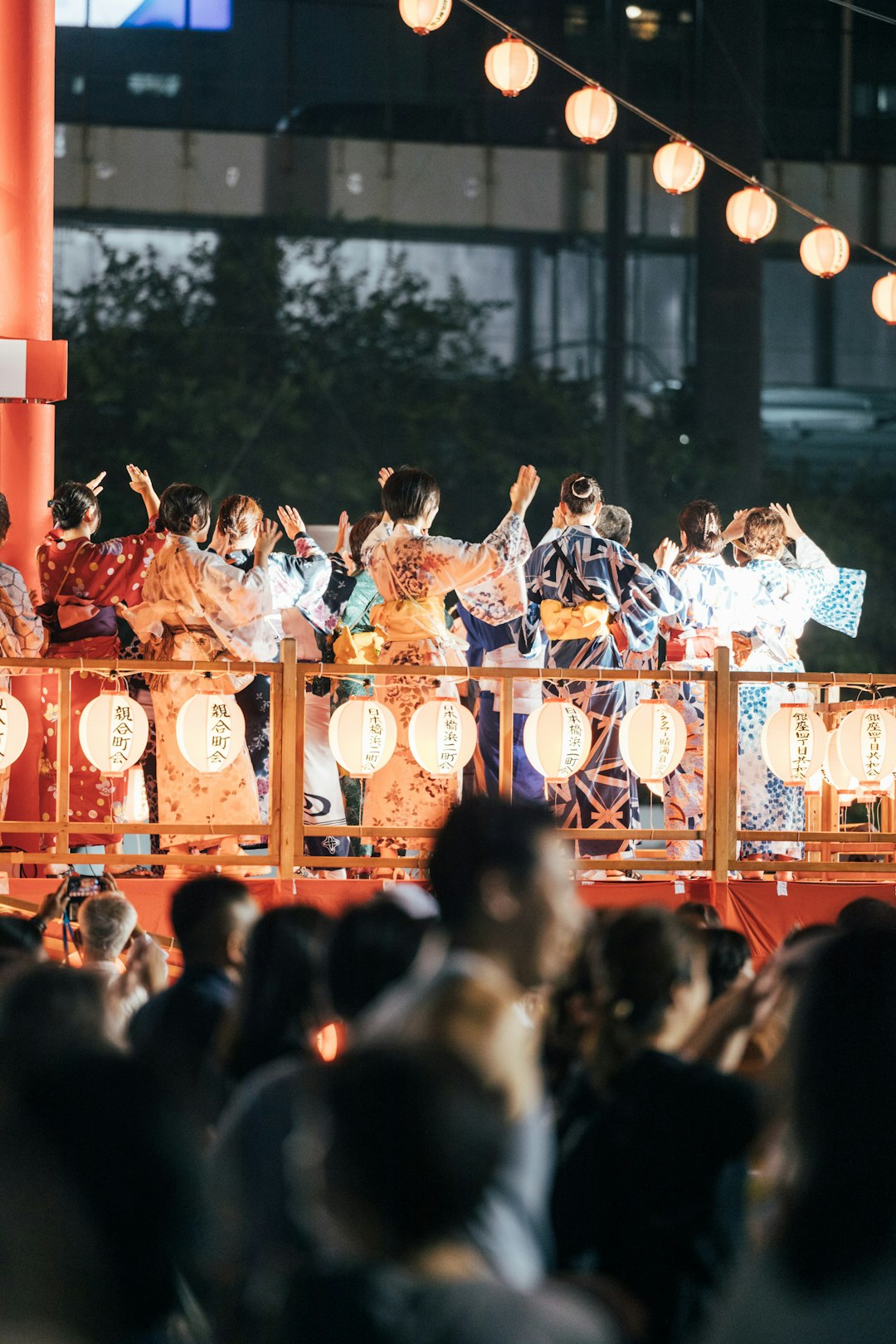
Tokyo festivals range from shrine rites and neighborhood mikoshi processions to Bon dancing and modern street parades. Instead of choosing only by date, decide whether you want to see portable shrines, dancing, Edo culture or a lively evening market.
As of October 3, 2026, Sanja Matsuri, Sanno Matsuri, Koenji Awa-odori and the Asakusa Samba Carnival have finished for the year. The most useful upcoming entry in this guide is Asakusa’s Tori-no-Ichi in November. Use the completed events to plan a future trip, but wait for each organizer to announce the next dates.
Major Tokyo festivals at a glance
| Festival | Usual season | Main experience | Useful stations |
|---|---|---|---|
| Kanda Matsuri | May; main festival generally in odd years | One of the great Edo festivals; major processions in Honmatsuri years | Ochanomizu, Akihabara |
| Sanja Matsuri | Mid-May | Neighborhood and Asakusa Shrine mikoshi | Asakusa |
| Sanno Matsuri | June | Historic Hie Shrine rites and, in selected years, a major procession | Tameike-sanno, Akasaka |
| Tokyo Koenji Awa-odori | Late August | Street dance routes and ticketed stage performances | Koenji, Shin-koenji |
| Asakusa Samba Carnival | Late August | Samba parade competition | Asakusa |
| Asakusa Tori-no-Ichi | Rooster days in November | Good-luck rakes and a 24-hour shrine market | Iriya, Minowa, Asakusa |
Kanda Matsuri: understand Honmatsuri and Kage-matsuri
Kanda Matsuri at Kanda Myojin is one of the great Edo festivals. Its large public Honmatsuri, including major processions and mikoshi events, is generally held in odd-numbered years. GO TOKYO notes that the 2026 Kage-matsuri observance is closed to the public, so visitors should not expect the scale of a main-festival year.
Sanja Matsuri: mikoshi in Asakusa
Asakusa Shrine’s Sanja Matsuri is known for neighborhood mikoshi and the shrine’s three principal mikoshi. The 2026 festival ran from May 15 to 17 and has ended. Major streets may have traffic restrictions, so stay outside procession routes and follow instructions from police and festival staff.
Sanno Matsuri: the program changes by year
Hie Shrine’s Sanno Matsuri is another major Edo festival. In 2026 it ran from June 7 to 17. GO TOKYO says the large Jinkosai procession, involving about 550 participants, is usually held every other year and is next scheduled for 2028. Tameike-sanno, Akasaka and Kokkai-gijidomae stations provide convenient access.
Tokyo Koenji Awa-odori: street or stage
The 2026 festival took place on August 29 and 30. Outdoor routes deliver the biggest atmosphere but become extremely crowded. Daytime stage shows use different admission arrangements, so check the official site for tickets and entry conditions. JR Koenji and Tokyo Metro Shin-koenji are both useful stations.
Asakusa Samba Carnival: follow the viewing rules
The 2026 parade competition was held on August 29. The organizer states that general route viewing is standing only and restricts items such as selfie sticks, chairs, monopods and tripods. Keep pedestrian lanes open and follow the staff’s crowd-control instructions.
Upcoming in 2026: Asakusa Tori-no-Ichi
Ohtori Shrine’s official schedule lists the 2026 Tori-no-Ichi for Saturday, November 7 and Thursday, November 19. Each market runs from midnight to midnight. The shrine and surrounding streets become busy with visitors buying decorative lucky rakes, so check the last train if visiting late at night.
Festival etiquette for first-time visitors
- Do not enter the route of mikoshi, floats or dancers; staff directions take priority.
- Rules for tripods, selfie sticks, chairs and drones differ by event and can be strict.
- Use designated waste points and check local smoking and street-eating restrictions.
- For summer festivals, carry water and avoid unsafe attempts to reserve space.
- At religious events, check whether photography is permitted during rites or near the worship hall.
How to plan around crowds
Save at least two possible stations instead of relying on one exit. Arrive before the busiest period, agree on a meeting point if traveling in a group, and work backward from the time you need to return to your hotel. Check the organizer’s traffic map and current rail information on the day.
Frequently asked questions
Are Tokyo festivals free?
Many shrine grounds and street routes are free to view, but stage shows, reserved seats and supporter seating may require tickets or donations.
Do festivals continue in rain?
Policies vary: some proceed in light rain, while severe weather can change or cancel programs. Use the organizer’s same-day announcement.
Will the 2027 dates be the same?
Not necessarily. Weekdays, shrine rites and the Honmatsuri cycle can change the schedule. Never copy the previous year’s date without checking.
Official sources and fact-check date
Checked on October 3, 2026 using the GO TOKYO 2026 festival guide, Asakusa Shrine’s Sanja Matsuri information, the Tokyo Koenji Awa-odori official site, the Asakusa Samba Carnival official site, and Ohtori Shrine’s 2026 Tori-no-Ichi schedule.