

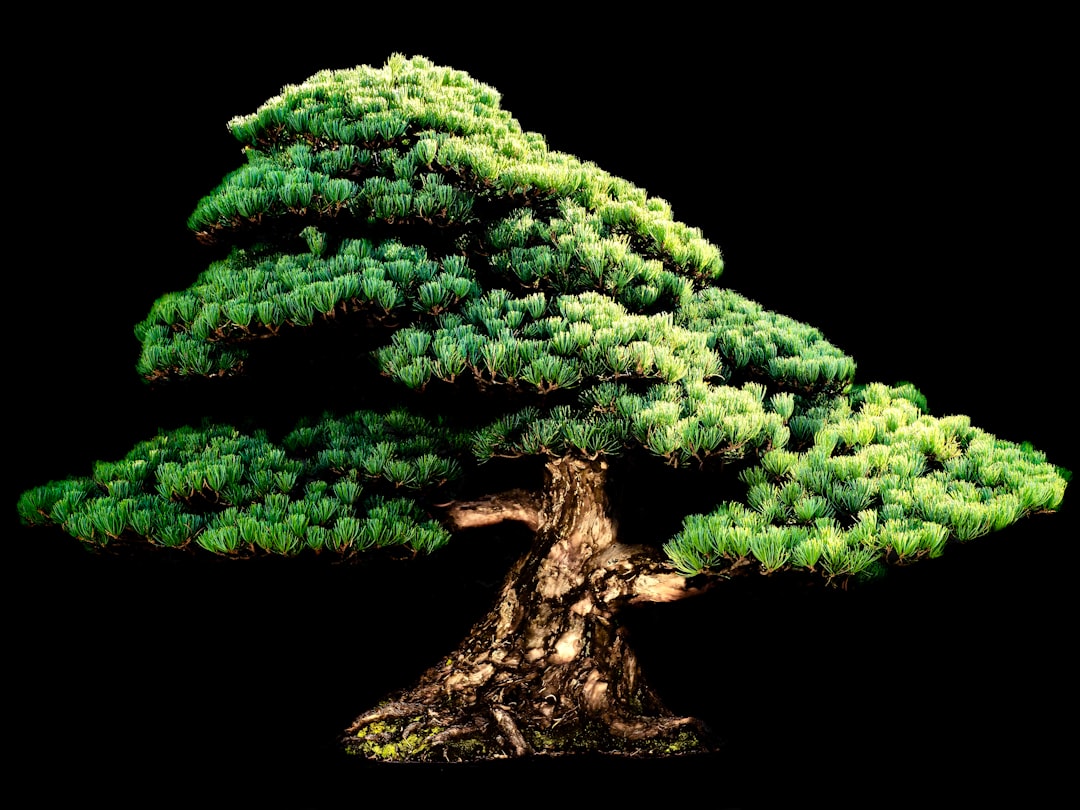
Bonsai apps, moisture sensors and automated watering can make routine care easier, but they cannot replace observation. This practical guide explains which tools are genuinely useful, where they can mislead you, and how to combine technology with traditional bonsai practice.
What technology can help with
- Care reminders: Record watering, feeding, repotting and pruning instead of relying on memory.
- Photo journals: Photograph the same angle each month to notice weak growth, pests or changes in branch structure.
- Weather alerts: Use local forecasts to prepare for frost, extreme heat, strong wind and prolonged rain.
- Moisture readings: A sensor can provide an additional data point, especially when learning how quickly a pot dries.
What an app cannot decide for you
Watering is not a fixed calendar task. Species, pot size, soil, wind, season and the tree’s condition all affect drying speed. Check the soil and the tree itself before watering; do not follow a notification automatically. A sensor placed in only one part of a shallow pot may also miss uneven moisture.
A sensible beginner setup
- Create a record for each tree with its species, acquisition date and usual location.
- Add dated photos and notes after pruning, wiring, repotting or a health problem.
- Check the tree manually each day during hot or windy periods.
- Use reminders as prompts to inspect, not commands to water or prune.
- If using an automatic watering system, test coverage while you are still at home and provide drainage.
Using identification apps safely
Image recognition can suggest a species or possible disease, but similar leaves and symptoms are easily confused. Confirm important decisions through a bonsai nursery, an experienced club or a qualified plant professional. Avoid applying pesticides or making major cuts from an app result alone.
Learning from bonsai institutions
Technology works best when it supports sound fundamentals. The Omiya Bonsai Art Museum introduces bonsai viewing and culture. Museum and nursery visits let you study healthy trees, seasonal presentation and professional techniques that a screen cannot fully convey.
Traveling and leaving a bonsai unattended
For a short absence, move the tree only if appropriate for its species and conditions, reduce exposure to drying wind, and arrange a knowledgeable person to inspect it. Automated irrigation should have a tested timer, sufficient water supply and a backup plan. Never assume one watering schedule suits every tree.
Frequently asked questions
Do I need a paid bonsai app?
No. A calendar, notes app and photo album cover most record-keeping needs. Pay only when a feature solves a specific problem.
Can a moisture meter tell me exactly when to water?
No. Treat the reading as supporting evidence and compare it with the soil surface, pot weight, weather and the tree’s appearance.
Is automatic watering safe?
It can be useful after careful testing, but blocked emitters, dead batteries and uneven coverage are real risks. Inspect the system regularly.
Takeaway
The best “smart bonsai” system is simple: observe daily, keep consistent records and use technology to notice patterns. Apps and sensors are assistants—not substitutes for learning the needs of a living tree.
Official resources checked 29 August 2026. Museum programs and association information may change; confirm details on the linked official websites.