

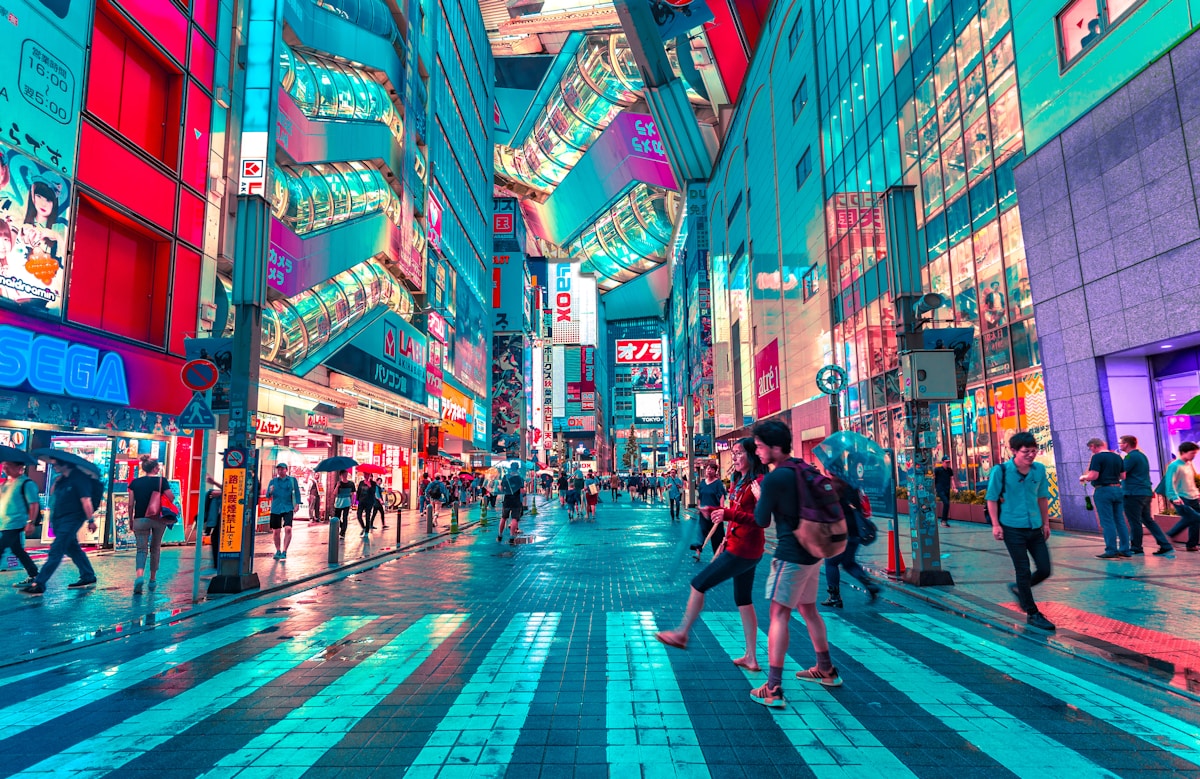
Asakusa is where Tokyo’s temple-town history and everyday city life meet. Senso-ji’s Kaminarimon Gate, Nakamise shopping street and the Sumida River are all close together, but a good visit is more than walking from one photo spot to the next. The area is still an active place of worship, a working shopping district and a neighborhood where residents go about their day.
This guide explains how to plan a practical half-day in Asakusa, when to visit, how to behave at Senso-ji, what to eat and how to avoid the most common crowd and transport mistakes.
Asakusa at a glance
| If you want… | Best choice | Planning tip |
|---|---|---|
| The classic first visit | Kaminarimon, Nakamise and Senso-ji | Allow about 90 minutes without a sit-down meal |
| Fewer crowds | Senso-ji early in the morning | Shops may not be open yet, but the temple grounds are calmer |
| Food and shopping | Nakamise plus the side streets | Do not stop in the middle of the busiest pedestrian flow |
| A river view | Sumida Park and the riverfront | Combine it with an evening walk or seasonal blossoms |
| A skyline view | Tokyo Skytree in nearby Oshiage | Check the official hours and reserve ahead on busy dates |
Why Asakusa matters
Senso-ji describes itself as Tokyo’s oldest temple. Its official history traces the temple’s origin to 628, when a statue of Kannon was found in the Sumida River. That history still shapes the district: the approach to the temple grew as a place for pilgrims, merchants, food stalls and entertainment.
Modern Asakusa is not a preserved movie set. Traditional sweet shops, kimono rentals and craft stores share streets with convenience stores, small hotels, restaurants and residential buildings. That mixture is the reason to walk beyond Nakamise instead of treating the district as a single monument.
How to reach Asakusa
Several railway stations use the name Asakusa, and they are not all in the same building. The Tokyo Metro Ginza Line, Toei Asakusa Line and Tobu Skytree Line serve stations close to Kaminarimon. The Tsukuba Express station is farther west, closer to the kitchenware and entertainment side of the district.
- From Ueno: the Ginza Line is usually the simplest direct route.
- From Haneda Airport: some Toei Asakusa Line services connect through with the Keikyu network, but the exact train pattern varies. Check the destination before boarding.
- For Tokyo Skytree: Oshiage or Tokyo Skytree Station may be more convenient than walking from Senso-ji, depending on your route and luggage.
Save the exact station name and railway operator in your map app. Meeting someone at “Asakusa Station” without naming the line can lead to confusion.
A practical half-day walking route
1. Start at Kaminarimon
The large red lantern is Asakusa’s best-known landmark. Take photos from the side when the front is crowded, keep the gateway clear and avoid blocking pedestrians while arranging group shots.
2. Walk through Nakamise
Nakamise is the shopping approach between Kaminarimon and Senso-ji. Browse sweets, souvenirs and small crafts, but remember that shop hours vary. Morning is best for a quieter temple visit; later in the day is better if shopping is the priority.
Many busy tourist streets discourage eating while walking. Follow each shop’s instructions, use the designated eating space when provided and dispose of packaging where the shop directs you. Public trash bins are limited.
3. Visit Senso-ji respectfully
Before approaching the main hall, move out of the pedestrian flow if you want to use the purification basin or incense area. At the hall, make a small offering if you wish, bow, place your hands together and keep conversations quiet. Senso-ji is a Buddhist temple, so clapping as at a Shinto shrine is not necessary.
Photography rules can differ between outdoor grounds and interior worship spaces. Look for posted signs and never photograph worshippers at close range without permission.
4. Explore the side streets
Leave the main approach to find smaller restaurants, traditional goods, covered shopping arcades and views of older low-rise streets. Kappabashi’s kitchenware district is also walkable for many visitors, but it adds time and is better treated as a separate stop if you plan to shop seriously.
5. Finish at the Sumida River
Walk east toward the river for open views and a break from Nakamise’s crowds. From the riverfront you can see Tokyo Skytree, and seasonal conditions may make Sumida Park especially attractive. River cruises also operate, but routes, departure points and schedules should be checked with the operator on the day.
What to eat in Asakusa
- Ningyo-yaki: small molded cakes commonly filled with sweet red bean paste.
- Kaminari-okoshi: crisp sweets made from puffed rice and syrup; easy to carry as a souvenir.
- Tempura: Asakusa has long-established tempura restaurants, including tendon bowls topped with tempura.
- Soba: a useful sit-down meal when you want something quicker than a full multi-course lunch.
- Melon bread and modern snacks: popular, but queues can block narrow sidewalks. Stand where staff direct you.
Famous shops can have long waits. A shorter queue at a nearby independent restaurant may produce a better day than spending an hour on one social-media recommendation. Check allergy information directly; sauces and broths may contain fish, soy, wheat or other ingredients that are not visible.
Kimono rental and rickshaw tips
Kimono rental can add a cultural element to the day, but choose footwear you can actually walk in and leave enough time to return the clothing. Confirm what the price includes: dressing, hair styling, accessories, insurance and late-return charges may be separate.
For rickshaws, use an established operator, agree on the route and duration before departure and ask before photographing the driver. A short ride is useful for orientation; a longer ride can reach quieter streets that many visitors miss.
When to visit
- Early morning: best for atmosphere, photography and a calmer temple visit; many shops are not yet open.
- Late morning to afternoon: best for shopping and food, but busiest around Nakamise.
- Evening: the illuminated temple grounds have a different mood, while many retail businesses may be closed.
Weekends, national holidays and major festival dates can be extremely crowded. If a festival is the reason for your visit, expect station controls and slower walking. If it is not, choose a weekday or arrive early.
Common mistakes to avoid
- Arriving with a large suitcase and expecting an empty large locker near Kaminarimon.
- Assuming every “Asakusa Station” entrance belongs to the same railway.
- Eating in the middle of a crowded shopping street instead of using a designated area.
- Scheduling Senso-ji, Kappabashi, a river cruise and Tokyo Skytree in one rushed morning.
- Using residential doorways, private steps or shop entrances as photo locations.
If you are carrying luggage, see our Japan luggage storage and delivery guide before arriving. Large lockers around major attractions fill quickly.
Frequently asked questions
Is Senso-ji free to visit?
The outdoor temple grounds and main worship area can generally be visited without an admission ticket. Special facilities or events may have separate arrangements.
How much time should I allow?
Allow around two to three hours for Kaminarimon, Nakamise, Senso-ji, side streets and the riverfront. Add more time for a sit-down meal, kimono rental, Kappabashi, a cruise or Tokyo Skytree.
Can I combine Asakusa and Tokyo Skytree?
Yes. They are close enough to combine by train, bus or on foot. Walking is pleasant in good weather, but it is not necessary if you have limited time or mobility concerns.
Is Asakusa suitable for an evening visit?
Yes for illuminated temple scenery and dinner, but not if shopping is your main goal. Store and attraction hours vary, so confirm the places that matter most before setting out.
Official information
Information checked: October 6, 2026. Transport patterns, shop hours, event access and attraction hours can change. Confirm the official website and on-site notices before visiting.
Takeaway
The best Asakusa visit balances famous sights with ordinary neighborhood details. Start at Kaminarimon, move respectfully through Senso-ji, spend time in the side streets and finish by the river. Arriving early gives you atmosphere; arriving later gives you more shopping and food. Choose which matters more instead of trying to do everything at once.