



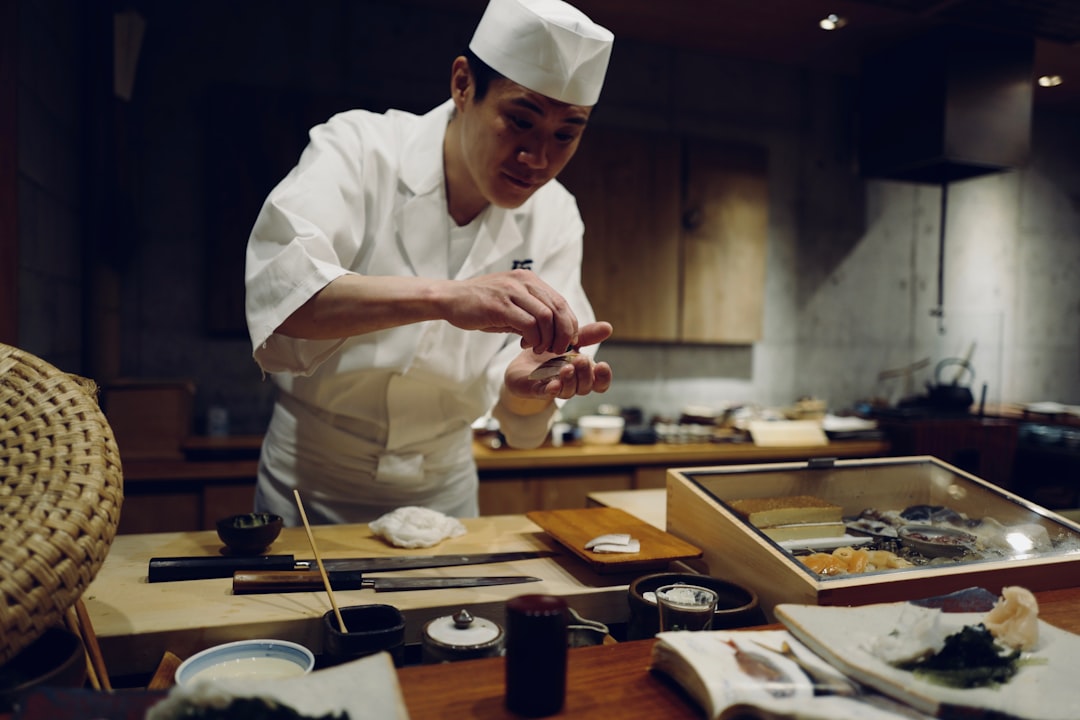
Information checked: August 26, 2026. A sushi-making class can reveal why rice temperature, vinegar balance, hand pressure and preparation matter as much as the topping. But “learn from a master chef in two hours” is not a standard product. Some classes are demonstrations, some teach rolls without knives, and others include market visits or raw-fish preparation. Read the actual syllabus before booking.
Match the format to your goal
| Format | Best for | Confirm |
|---|---|---|
| Nigiri workshop | Rice shaping, topping placement and comparison of pressure | Whether fish is pre-sliced or knives are used |
| Maki / decorative roll | Families and beginners who want repeatable techniques | Age limit, fillings and bamboo mat use |
| Chef demonstration | Watching professional sequence, tools and counter service | How much hands-on participation is included |
| Market tour plus class | Ingredient and distribution context | Meeting point, walking distance, market closures and transport between venues |
| Home-style class | Small group conversation and practical recipes | Instructor credentials, private-home rules and accessibility |
Duration and price vary with group size, ingredients, interpreting and venue. Use the operator’s current total, including taxes and booking fees, rather than an old price range.
What a useful beginner class can teach
- Wash or discuss rice selection, then season cooked rice with vinegar, sugar and salt.
- Cool and turn the rice without crushing the grains.
- Moisten hands correctly and portion rice consistently.
- Form nigiri with light pressure, or spread rice evenly for rolls.
- Pair toppings, condiments and garnishes, then taste the result.
Knife work is not guaranteed and should never be improvised. Many responsible beginner classes provide professionally prepared toppings and focus on rice and assembly. This is still meaningful: the rice is the foundation that makes sushi, rather than plain raw fish.
Why Edomae sushi is more than raw fish
MAFF explains that sushi began as a way to preserve and enjoy seafood. Nigiri associated with Edo developed as urban food, while Edomae preparation includes techniques such as marinating, simmering, steaming, vinegaring and kombu curing. A good class should therefore explain ingredient handling and seasoning, not present “fresh raw fish on rice” as the whole tradition.
Checklist before payment
- Exact start/end time, meeting point and late-arrival policy.
- Teaching language and whether interpreting is human, written or app-based.
- Hands-on proportion, menu, number of pieces and whether the meal is included.
- Knife use, minimum age, guardian rules and standing time.
- Allergies, pregnancy, raw-food avoidance, vegetarian/vegan or halal substitutions.
- Stairs, seating, wheelchair access and accessible toilet—not just “near a station.”
- Cancellation, no-show and minimum-participant rules.
Book through the venue or a platform that names the operator and gives a written cancellation policy. Save the confirmation and route offline.
Raw fish, rice and allergy safety
Japan’s health ministry warns that raw or underprocessed seafood can carry Anisakis; wasabi, soy sauce and visual inspection by a guest are not reliable cures. Use only ingredients supplied by the instructor, follow temperature and handwashing directions, and never bring outside raw fish. Tell the provider about serious allergies before booking: fish, shellfish, egg, soy, wheat and sesame are common, and shared knives, boards, mats and sauces create cross-contact. A vegetarian class may still use fish stock or shared equipment.
Do not attend with vomiting, diarrhea, fever or an uncovered hand wound. Tie back long hair, remove loose jewelry if instructed and keep phones away from the preparation surface.
How to participate respectfully
- Arrive early enough to wash hands and hear the hygiene briefing.
- Ask before photographing the instructor, other guests or market workers.
- Do not imitate dramatic knife techniques or touch professional tools without permission.
- Listen before seasoning; the instructor may want you to taste rice and topping separately.
- Eat promptly when told, particularly with raw seafood, and do not pack leftovers unless the provider explicitly says it is safe.
Frequently asked questions
Will I become a sushi chef?
No. A tourist class is an introduction, not professional apprenticeship or food-service certification.
Can children join?
Some roll classes welcome children; others have age limits because of knives, heat or raw ingredients. Check the exact course.
Can I join without eating raw fish?
Often, if arranged in advance. Cooked shrimp, egg, tofu, vegetables or rolls may be possible, but substitution and cross-contact vary.
Official references: MAFF: nigiri and Edomae preparation / MHLW: Anisakis prevention / Consumer Affairs Agency: allergies when dining out