

A Hokkaido winter trip is not simply a matter of wearing the thickest coat you own. Outdoor temperatures can be below freezing while trains, underground malls and hotels are warm. Adjustable layers, waterproof footwear and a schedule with weather buffers matter more than chasing one temperature number.
This guide covers roughly December through March and explains clothing, icy-footpath safety, public transport, winter driving, disruption planning and how to build a realistic route.
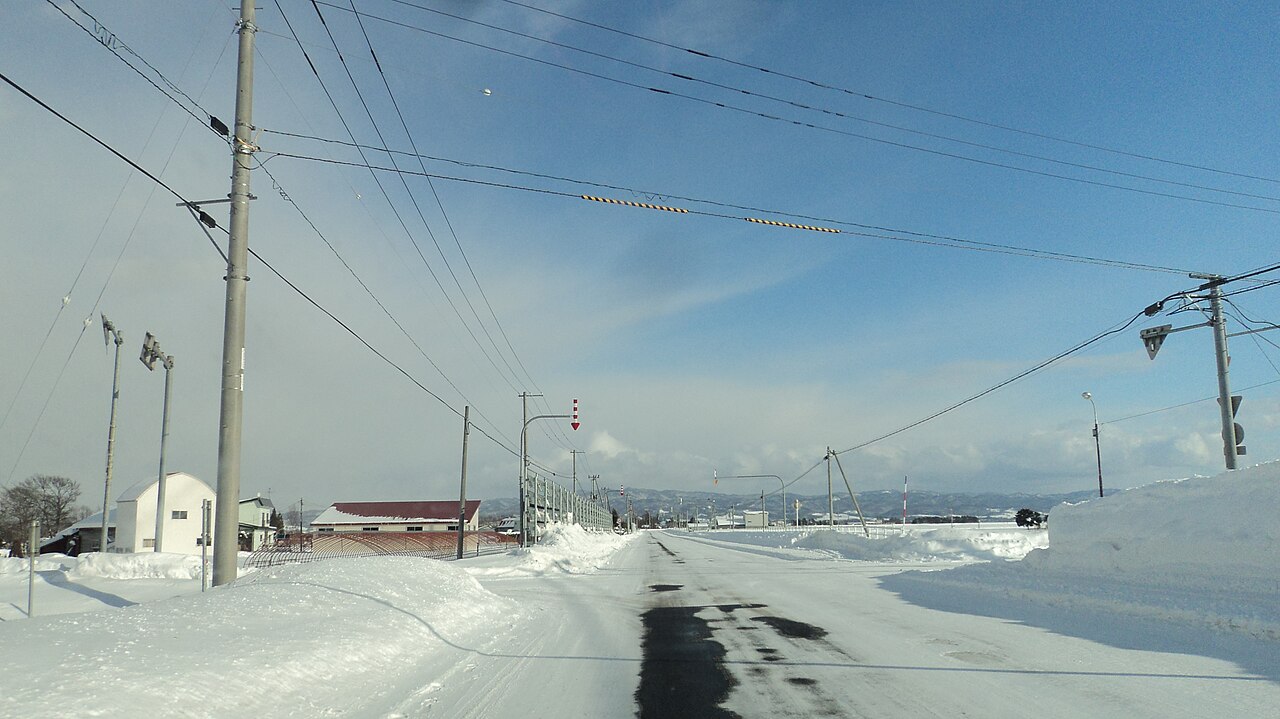
First decide: city sightseeing or snow activities?
| Trip style | Priority gear | Main risk |
|---|---|---|
| Sapporo and Otaru city walks | Water-resistant boots, gloves, ear-covering hat | Packed snow, ice and warm interiors |
| Asahikawa, Biei and Furano | Insulating layer, windproof shell, spare socks | Limited transport and early sunset |
| Eastern Hokkaido and drift ice | Wind protection for face, neck and ears | Wind chill and long distances |
| Skiing or snowshoeing | Activity-specific clothing, goggles and gloves | Ordinary sightseeing clothing is not enough |
What to wear: use three adjustable layers
1. Base layer
Choose a long-sleeved layer that moves moisture away from the skin. Cotton that remains wet can feel cold after you stop moving.
2. Insulating layer
Use fleece, wool or a light down layer. Several thinner layers are easier to remove inside a restaurant or train than one extremely bulky item.
3. Wind and snow protection
Wear a wind-resistant outer layer that does not hold wet snow. Add gloves, a scarf or neck warmer, and a hat that covers the ears. Closing gaps at the neck, wrists and ankles makes a noticeable difference during long outdoor stops.
Footwear and walking on ice
- Boots: prioritize waterproofing, deep tread and ankle stability; break them in before the trip.
- Traction aids: removable grips can help outdoors, but some stations and shops may ask you to remove them inside.
- Walking technique: take short steps and place the whole sole down. Keep your phone away while moving.
- High-risk places: crossings, bus stops, building shadows, underground-exit slopes and areas that melt by day and refreeze at night.
Public transport: plan for disruption
Many winter journeys run normally, but snow and wind can delay or suspend trains, buses and flights. Do not place a long intercity transfer immediately before an international flight. Spending the final night near the departure airport is often the safer design.
- Check the airline, JR Hokkaido and bus operator before leaving.
- Aim for a service before the final connection and save an alternative route.
- Read change and cancellation conditions and allow a budget for an extra night.
- Keep reservation numbers, maps and key addresses available offline.
Winter driving: do not force it
A road can look dry while holding a thin layer of ice. Visibility can collapse quickly in blowing snow, and rural services may be far apart. If you lack snow-driving experience, prioritize rail, buses or organized tours.
If you drive, confirm winter tires, fuel, washer fluid, a snow brush and phone charging. Avoid abrupt steering, acceleration and braking, and leave far more stopping distance than in summer. Japan’s official road-information system shows restrictions, cameras, snow depth and road temperature, but conditions can change after an update.
How to build your route by region
Sapporo and Otaru
This is the easiest first winter base. Use JR and the subway, then reserved buses or tours for selected outer areas. Otaru has slopes that can become icy.
Asahikawa, Biei and Furano
The snow scenery is excellent, but sights are spread out. Build around the winter timetable, limit the number of stops and never step into a road or unplowed private property for a photograph.
Eastern Hokkaido
Trying to cover Kushiro, Lake Akan, Abashiri and Shiretoko in a short stay creates excessive transit. Consider different arrival and departure airports, and treat drift-ice or wildlife activities as weather-dependent.
Pre-departure checklist
- Water-resistant winter boots, spare socks, gloves and an ear-covering hat
- Power bank, personal medication, water and some cash
- Contact details for the airline, JR Hokkaido, bus companies and accommodation
- Bookmarks for official weather, road and transport information
- Insurance and booking conditions for delays, cancellation and an extra night
Frequently asked questions
Are normal sneakers enough?
They are a poor choice when snow or ice is present. Prioritize waterproof footwear with deep tread.
Is one heavy down coat enough?
It can work outdoors but may be uncomfortable in heated buildings. A base layer, insulating layer and outer shell are easier to adjust.
Do I need a rental car?
Not necessarily. Sapporo, Otaru, Asahikawa and several major resorts are accessible by public transport or shuttle. If you are not experienced on snow, design a car-free route first.
Official sources
- HOKKAIDO LOVE!: seasons, clothing and trip basics
- Japan Meteorological Agency: climate of Hokkaido
- JR Hokkaido: service and travel information
- MLIT Road Information Provision System
Summary
Adjustable layers, waterproof winter footwear and generous transport buffers make the biggest difference in Hokkaido. Limit the number of regions and build an itinerary that still works if one weather-dependent plan is removed.