

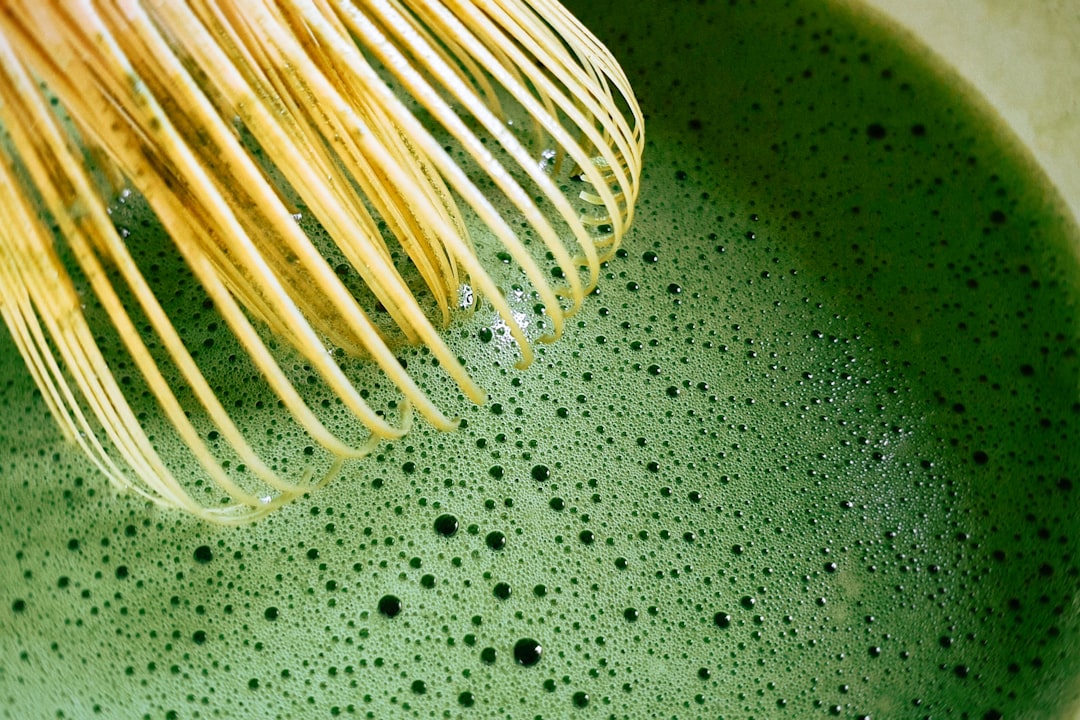
A tea ceremony experience is not a test of perfect manners. It is a guided encounter with hospitality, seasonal design and the deliberate preparation of matcha. Knowing a few steps lets you pay attention to the host’s work instead of worrying about every movement.
Choose the right experience
- Short introduction: suitable for first-time visitors and tight itineraries.
- Hands-on class: includes whisking matcha and sometimes making sweets.
- Formal gathering: longer, quieter and more structured, often with specific clothing and punctuality expectations.
Before booking, confirm duration, language, chair seating, age limits, photography rules, allergy information and whether you will make tea or only observe.
What to wear and bring
Wear clean, modest clothing that allows you to sit comfortably. Avoid strong fragrance because aroma is part of the tea and incense experience. Remove rings or watches if the host requests it so they cannot scratch utensils. Clean socks are useful because shoes are often removed. A kimono is not required unless the organizer says otherwise.
What happens step by step
- Arrive early and follow instructions for shoes and belongings.
- Enter the tea space calmly and notice the scroll, flowers and utensils.
- Receive the sweet, usually before the tea, and eat it as directed.
- Bow when the bowl is presented and place it in front of you.
- Lift the bowl, turn it as demonstrated, and drink in several sips.
- Wipe the rim only if instructed, rotate the bowl back and return it carefully.
Seiza, chairs and accessibility
Do not force yourself to remain in seiza if it causes pain or numbness. Many beginner sessions provide stools or chair seating, but traditional rooms may have steps, narrow entrances and tatami floors. Ask before booking about mobility support and whether a companion can assist.
Food allergies and dietary needs
Tea sweets may contain wheat, soy, sesame, nuts, dairy or other ingredients. Contact the organizer in advance with the exact allergen and cross-contact concern. Matcha itself is only one part of the experience; never assume the sweet can be substituted on arrival.
Photography etiquette
Ask when photography is allowed. Avoid flash, shutter noise and filming the entire procedure if it distracts the host or other guests. Do not rearrange utensils for a photo. Some objects are fragile artworks and must be viewed from the indicated position.
Useful Japanese
- Otemae chōdai itashimasu. — A formal phrase of appreciation before receiving tea.
- Arigatō gozaimashita. — Thank you very much.
- Isu o tsukatte mo ii desu ka? — May I use a chair?
- Shashin wa ii desu ka? — May I take a photo?
Common mistakes
- Arriving late to a small scheduled session.
- Wearing strong perfume.
- Touching the scroll, flowers or utensils without invitation.
- Copying formal gestures from a video instead of following the current host.
- Assuming silence means you cannot ask a practical question.
FAQ
Do I have to finish the matcha?
Normally you drink the served bowl, but tell the host beforehand if health or caffeine concerns apply.
Is it religious?
Tea culture has historical links with Zen, but visitor programs vary from cultural demonstrations to formal traditions. Follow the organizer’s explanation.
Can children join?
Some sessions welcome them and others set age limits. Check the duration, hot-water safety and quiet-participation expectations.
Continue with our Japanese breakfast guide and Japanese calligraphy experience guide.