

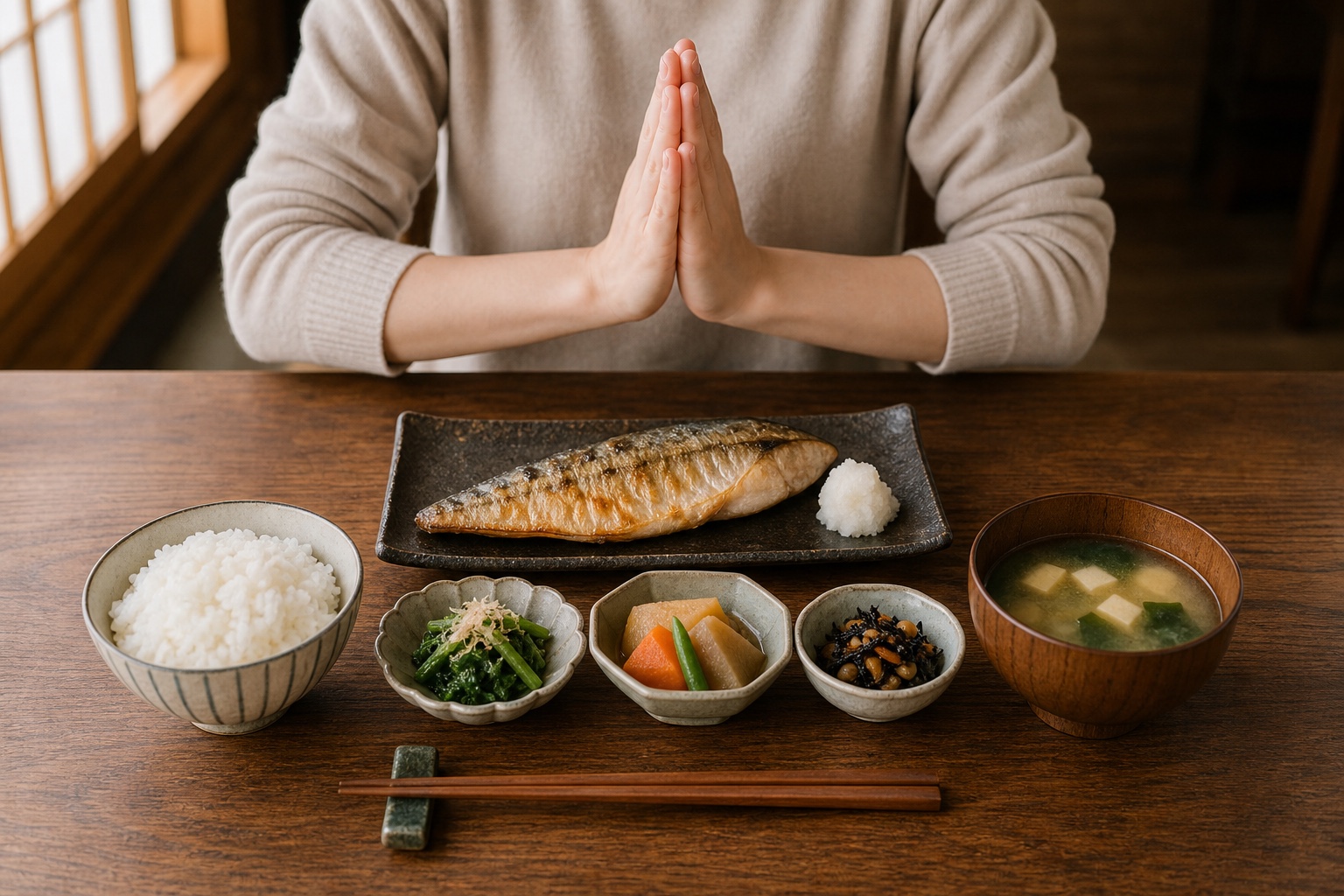
Japanese dining culture is rich with traditions and customs that may seem complex to first-time visitors. Understanding basic table manners will not only help you avoid embarrassing mistakes but also enhance your appreciation of Japanese cuisine.🥢 Essential Japanese Dining Manners 1.Chopstick Basics Never stick chopsticks upright into a bowl of rice — this resembles a funeral ritual.
Don’t pass food from chopstick to chopstick either. Use the opposite end of your chopsticks when taking food from shared dishes. 2. Say “Itadakimasu” and “Gochisousama” Before eating, say “Itadakimasu” (I humbly receive). After finishing, say “Gochisousama deshita” (Thank you for the meal). These phrases show gratitude for the food and those who prepared it. 3.
Slurping Noodles is Good Unlike many Western cultures, slurping noodles (ramen, soba, udon) is considered a compliment in Japan. It shows you’re enjoying the food and actually helps cool down hot noodles. 4. Pouring Drinks When drinking alcohol, pour for others rather than yourself. Watch for when your companion’s glass is empty and offer to refill. Someone will likely do the same for you. 5.
Handling Soup Drink miso soup directly from the bowl. Use chopsticks to pick up the solid ingredients. For soups served in large bowls (like ramen), use the provided spoon. 6. Tipping is Not Expected Tipping is not practiced in Japan. Good service is the standard, not something extra. Leave the exact amount on the tray at the register. 7. Soy Sauce Etiquette Pour soy sauce into the small dish provided.
Don’t pour excessive amounts — it’s disrespectful to the chef’s seasoning. Dip sushi fish-side down, not rice-side. 8. Communal Dishes Use the opposite end of your chopsticks (or provided serving chopsticks) to take food from shared plates. Never dig through a shared dish to find the best piece. Mastering these dining customs will transform your Japanese food experience from merely eating into a cultural adventure.